
The year was 1941.
War was raging across Europe. The United States was preparing to enter the conflict. And in the deserts of Saudi Arabia, a young oil industry was beginning to transform the future of a kingdom.
That year, Schlumberger, now SLB, performed its first well log in Saudi Arabia.
Eighty-five years is an impressive amount of time to operate in one country. It means generations of employees, decades of relationships and an institutional understanding of the market that some organizations never achieve.
And yet, all these years later, communication still matters. Because no matter how long you’ve operated in a country or how well established you are in an industry, your success still depends on relationships.
Relationships with employees, customers and government leaders. And, often, relationships with a public that expects organizations and their leaders to explain simply what they’re doing, why they’re doing it and how it affects them.
Every one of those relationships is built, in part, through communication, which is what brought our team to Saudi Arabia this summer.
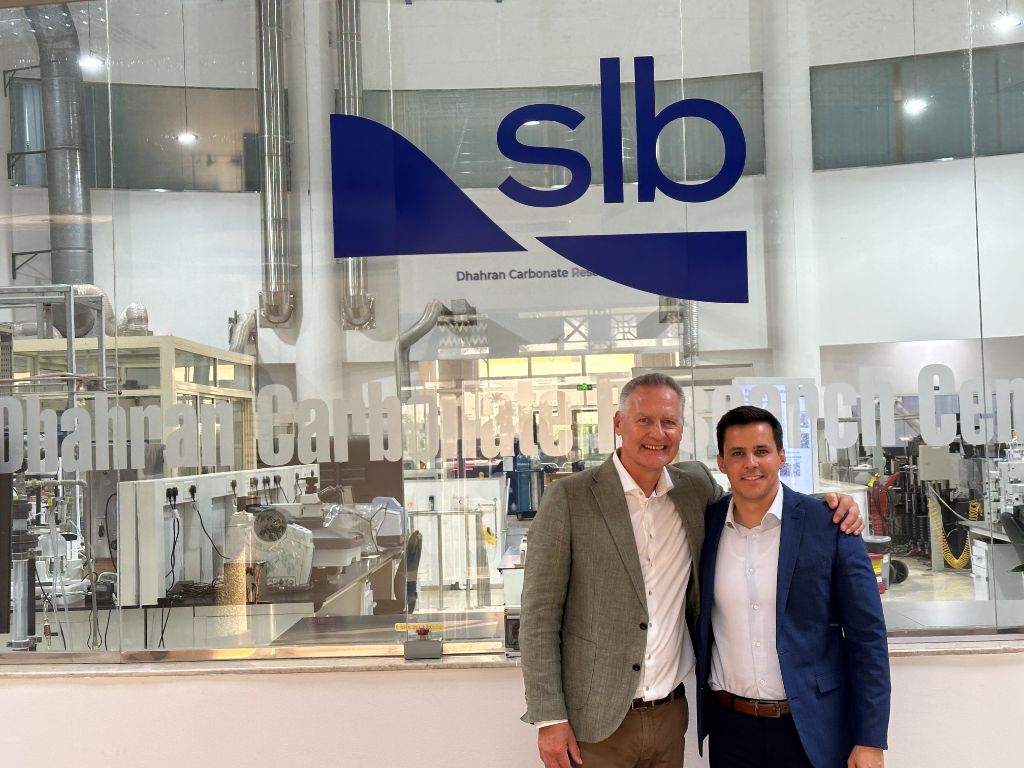
We saw that firsthand in the Kingdom, where leaders and technical teams are engaged in critical conversations with employees and customers every day. The challenge isn’t necessarily knowing the business. The challenge is taking that expertise and communicating it clearly, concisely and persuasively to the person sitting across from them.
Thousands of miles away, we’ve seen the same principle at work under very different circumstances.
In Guyana, a rapidly expanding oil industry has put engineers and technical experts in front of government officials, journalists and other stakeholders who are asking sometimes difficult questions about the growing number of oil production vessels offshore.
In Virginia, the challenge looks different again. The sudden arrival of data centers is putting new pressure on power infrastructure. Utility leaders who have spent decades focused on safely and reliably delivering power are increasingly being asked to explain complex decisions to audiences that are skeptical or angry.
Saudi Arabia. Guyana. Virginia.
Different countries. Different industries and circumstances. Different audiences. But the same fundamental challenge:
Expertise alone isn’t enough. You have to be able to talk about it.
That’s why effective communication training isn’t something an organization outgrows.
Whether you’re entering a new market or have operated there for decades, whether you’re presenting to a customer, answering questions from a reporter, speaking to employees or standing in front of a concerned community, the ability to communicate clearly and confidently remains one of the most valuable skills a leader can develop.
The world around your business will change. The questions will change. The audiences will change.
But the need to communicate well won’t.